
Chemical vs. Mineral Sunscreen: Why We Recommend Mineral SPF
Sunscreen is non-negotiable for healthy skin—but not all SPF is created equal. At Spruce, we believe education leads to better skin decisions, which is why we want to clearly explain the difference between chemical and mineral sunscreen, and why we will choose mineral SPF over and over again.
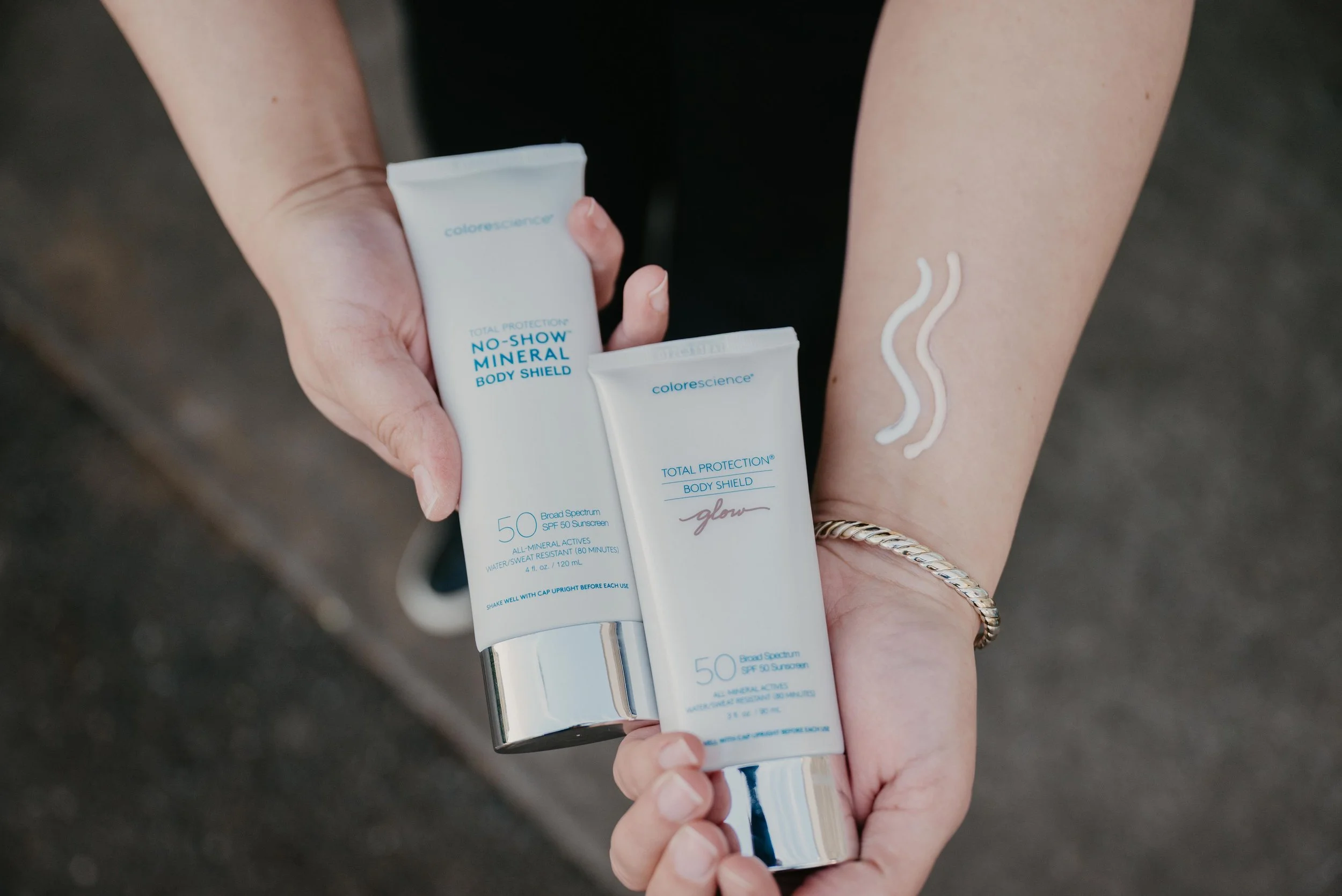
How Chemical Sunscreen Works
Chemical sunscreens protect the skin by absorbing UV rays, converting them into heat, and releasing that heat from the skin. Common ingredients include avobenzone, octinoxate, and oxybenzone.
While chemical SPF is popular for its lightweight feel and invisible finish, it can be problematic for sensitive skin and requires time to activate before sun exposure.
Recent research and FDA-reviewed data have also raised ongoing concerns about certain chemical sunscreen filters being absorbed into the bloodstream, with detectable levels remaining in the body for up to 21 days at significantly elevated concentrations after repeated use. While studies continue, this has prompted further evaluation of long-term safety and absorption.
How Mineral Sunscreen Works
Mineral sunscreen (also known as physical sunscreen) sits on top of the skin and reflects UV rays away from the body. Mineral formulas rely on two key active ingredients:
Zinc Oxide
Titanium Dioxide
These ingredients provide immediate protection upon application and are well-tolerated by most skin types.
Unlike chemical sunscreens, mineral SPF protects against both UVA and UVB rays right away—no waiting period required. This is important not only for preventing sunburn, but more importantly for reducing cumulative sun damage, inflammation, disruption of the skin barrier, and irregular melanin production over time.
FDA Update: What’s Considered Safe & Effective
The FDA has updated sunscreen regulations, reaffirming zinc oxide and titanium dioxide as GRASE (Generally Recognized as Safe and Effective). These are the active ingredients found in mineral sunscreens, further strengthening our recommendation for mineral-based SPF as a reliable daily option.
Why Spruce Prefers Mineral SPF

Gentle on sensitive, acne-prone, and post-treatment skin
Immediate protection (no wait time)
Protects from both UVA & UVB rays
Supports skin barrier health and reduces long-term photodamage
Backed by current FDA safety standards identifying zinc oxide and titanium dioxide as GRASE
Our Recommended Mineral SPF Products
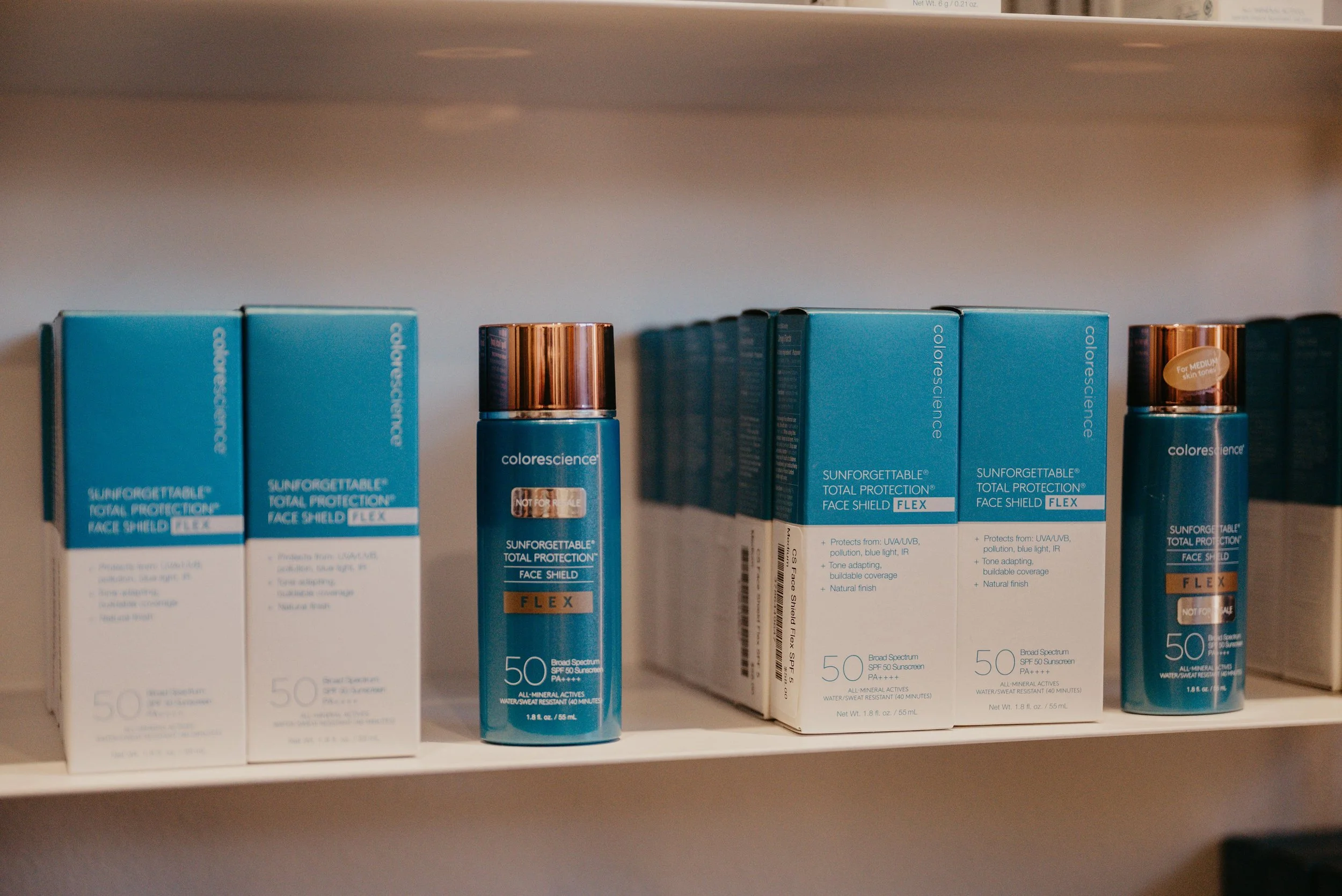
At Spruce, we loooove Colorescience mineral SPF for daily sun protection and reapplication.
Here are our current favorites:
Our Take
We believe mineral sunscreen offers the most consistent, skin-supportive protection for daily use. When applied correctly and reapplied regularly, mineral SPF is a powerful tool in maintaining healthy, resilient skin.